Executive Summary
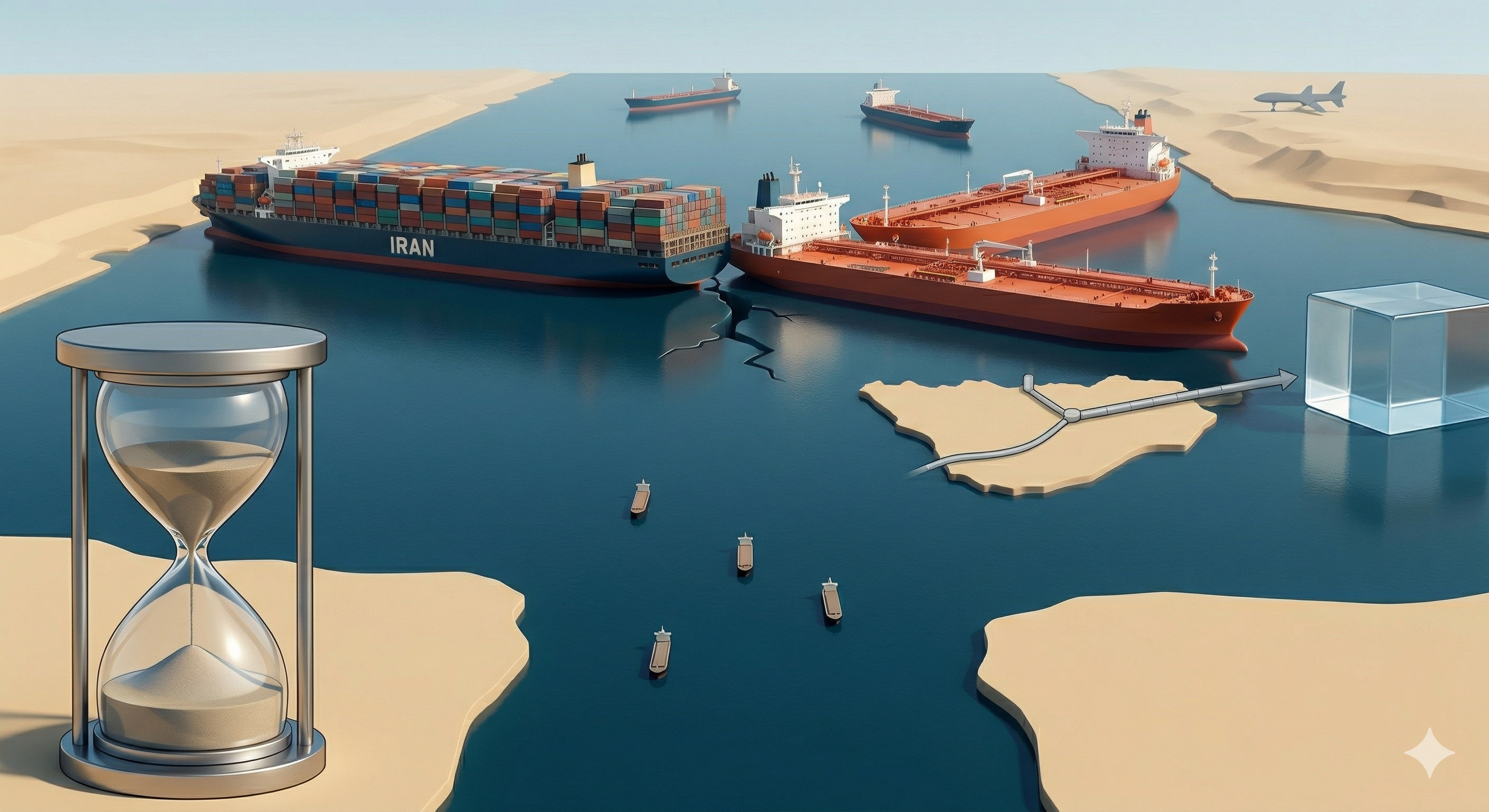
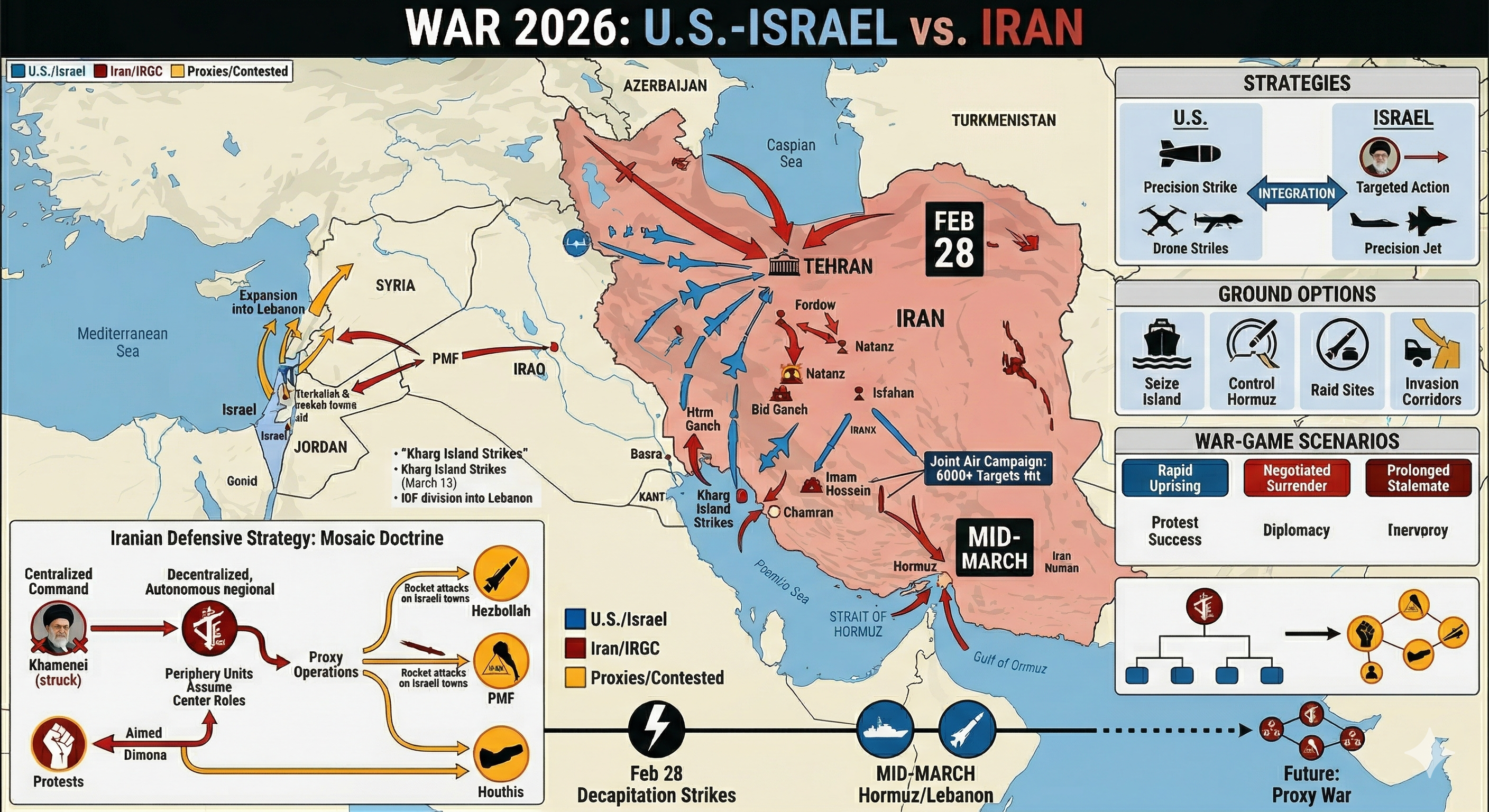
The Strait of Hormuz is the world's most important maritime choke point for energy. In 2024, roughly 20 million barrels per day (bpd) of oil — about a quarter of global seaborne oil trade — transited the strait. On 28 February 2026, the United States and Israel launched a large-scale assault on Iran, prompting Tehran to announce a closure of the strait. By mid-March, transits fell 97%, from 141 ships per day to just 3–6.
Key findings include a massive energy market shock, with oil prices potentially reaching $115–$132/bbl depending on the duration of the closure. Global GDP growth is estimated to drop by at least 2.9 percentage points. Furthermore, more than 20,000 seafarers are currently stranded in the region.
Background — Why the Strait Matters
The Strait is only 34 km wide at its narrowest point. In 2025, it carried 15 million bpd of crude and 5 million bpd of refined products. Asian refineries are the primary destination, with Japan depending on the Gulf for 95% of its crude oil. Additionally, the strait supports one-third of the global seaborne fertilizer trade.
Current Situation — March 2026
Military and Security Developments
Iran has utilized anti-ship missiles, drones, and naval mines to create an environment too risky for commercial traffic. Analysts estimate Tehran could deploy just 5% of its mine inventory to close the strait effectively. U.K. Maritime Trade Operations (UKMTO) has counted 21 security incidents by mid-March.
Economic and Energy Impacts
Brent crude exceeded $100/bbl shortly after the closure. The IEA has authorized the release of 400 million barrels from member reserves to stabilize the market. Despite this, maritime fuel prices have risen 87%. Global supply chains face extreme delays with 3,200 vessels currently stranded.
Strategic Calculations and Military Options
Iran's Strategy
Tehran intends to exert sustained pressure on global markets to force concessions from Washington. Iran's control is selective; it has allowed passage for vessels destined for China, India, and Turkey while targeting tankers linked to the U.S. and Israel.
United States and Allies
On 3 March, President Trump authorized political-risk insurance for all maritime trade. While force is contemplated, restoring traffic via naval escorts might restore at most 10% of normal volume.
Economic and Energy Ramifications
Closure has forced Asian importers to seek Atlantic suppliers such as the U.S. and the North Sea. Beyond oil, the halt of sulfur exports (Gulf states produce 44% of global supply) threatens global fertilizer production. Aluminium prices have already exceeded $3,400 per tonne on the London Metal Exchange.
Scenario Analysis and Predictions
| Scenario | Peak WTI Price | Global GDP Impact | Shipping Flow (% of Normal) |
|---|---|---|---|
| 1. Quick Reopening (1 Qtr) | ~$98/bbl | −2.9 ppts | ~2.1% |
| 2. Prolonged Closure (2 Qtr) | ~$115/bbl | −3.8 ppts | ~2.1% |
| 3. Severe Closure (3 Qtr) | ~$132/bbl | −4.4 ppts | ~2.1% |
| 4. Partial (Escorted) | ~$87/bbl | −1.5 ppts | ~7.1% |
| 5. Diplomatic Settlement | ~$104/bbl | −3.3 ppts | ~14.2% |
Impact on Global Stock Markets
Equity indices fell sharply in early March 2026 as investors priced in inflation. Every percentage-point decline in global GDP is estimated to reduce broad equity indices by 1.5 percentage points. Energy-sector equities, however, could gain as much as 60% in a severe closure scenario.
Maritime Insurance and Risk Markets
War-risk premiums have climbed from 0.25% to 3–5% of hull value. This translates to $7.5–$12.5 million per voyage, effectively pricing many shippers out of the market. Several Protection & Indemnity (P&I) clubs issued 72-hour cancellation notices in early March.
Key Takeaways
- Supply Loss: Partial closure has removed 20% of global oil supply.
- Shipping Collapse: Maritime traffic slashed from 141 ships/day to just 3–6.
- Human Toll: 8 seafarers dead; 20,000 stranded.
- Insurance: Premiums surged ten-fold, making Hormuz transit prohibitively expensive.
- Policy: Immediate diplomacy and diversification of energy routes are essential to mitigate future shocks.